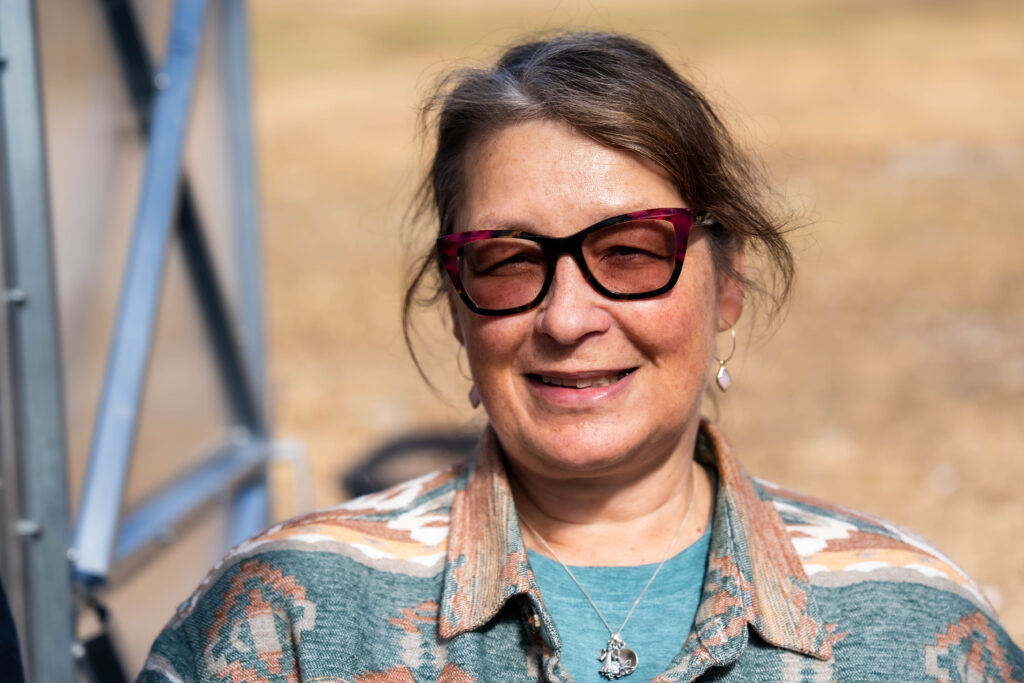
Cornelia Lif-Tiberg, MD, is a physician with clinical roots in intensive care and the operating theatre, and a deep commitment to patient safety.
Her career spans hospitals, pharmaceutical companies, and CROs — with international experience across Asia Pacific, Europe, and North America. Born and raised in Germany and medically trained in Sweden, she brings a cross-cultural perspective and fluency in both local and global regulatory environments.
She has worked with start-ups, scale-ups, and large organizations, and understands the different expectations, constraints, and support needs across company sizes and maturity levels. Combined with a strong ethical compass and structured clinical mindset, this versatility makes her a trusted partner for sponsors and CROs seeking Medical Monitoring, Pharmacovigilance, Medical Advisory, and Safety Committee expertise.
But beyond experience and roles, her work is shaped by a clear personal perspective on responsibility, safety, and decision-making in clinical research.
For me, medicine has always been about more than science — it is about responsibility.
Throughout my career, safety has been the red thread connecting every professional chapter: from the operating theatre to intensive care, from clinical trials to post-marketing vigilance.
Today, through CLT Vigilance Consulting, I work independently with sponsors and CROs to support Medical Monitoring, Pharmacovigilance, strategic Medical Advisory, and participation in independent Safety Committees.
My focus is to help organizations make informed, ethical, and well-documented safety decisions that protect both patients and programs. My approach is target-focused, business-minded, and built on clarity, responsiveness, and timely delivery.
Training in the operating theatre taught me to think proactively — to identify risks early, act decisively, and document precisely.
Years in intensive care strengthened these instincts: noticing subtle clinical changes, staying calm under pressure, and integrating complex information before making critical decisions.
Transitioning into the pharmaceutical and CRO environment allowed me to apply this vigilance to the systems that bring medicines to patients — ensuring that safety, ethics, and data integrity remain at the core of clinical development.
Since then, I have worked across the full life cycle of medical products: from Phase I first-in-human studies to large multicenter Phase III programs and post-marketing safety activities.
This journey has shaped how I approach safety today — with a deep respect for both the complexity of clinical research and the very real human impact of every decision made along the way.
Colleagues often describe me as a reliable and structured medical partner — someone who brings clarity to complex situations and maintains a strong focus on patient safety and data integrity.
I am known for working with integrity, consistency, and a collaborative mindset, while being comfortable raising difficult questions when needed to protect ethical and scientific standards.
I place high value on clear communication, mutual respect, and well-reasoned decision-making — because effective safety work depends on trust and alignment across all stakeholders in a clinical trial or safety process.

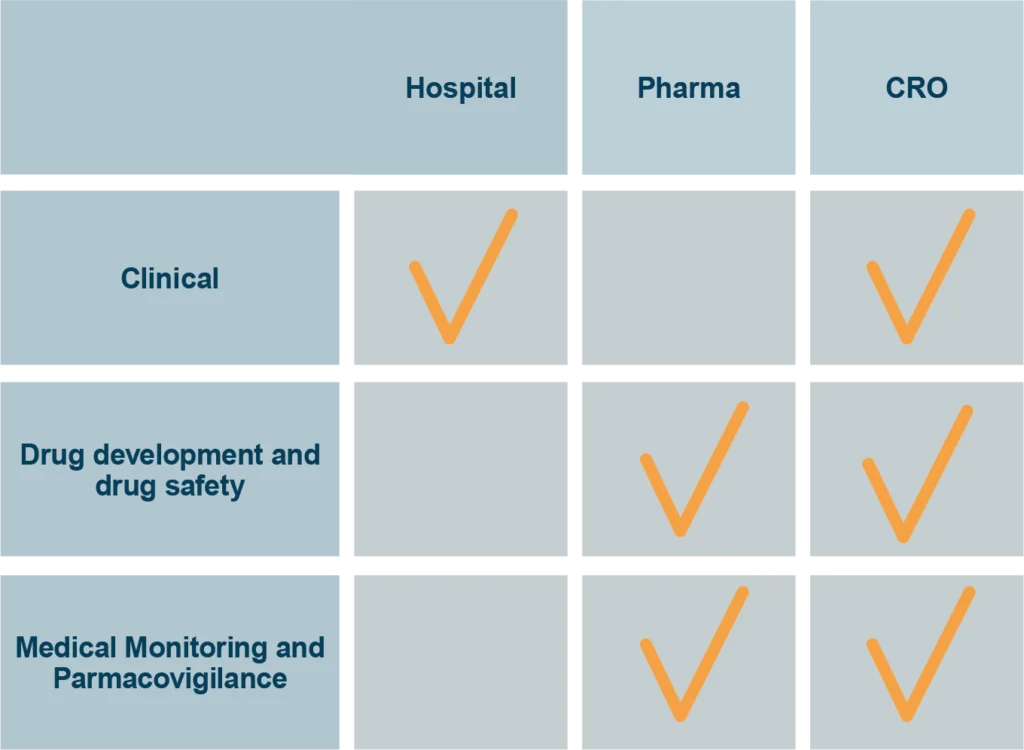
Across more than three decades of experience, each professional chapter has shaped a distinct set of skills — together enabling me to interpret safety data clinically, operationally, and within a clear regulatory context.
This foundation is built across three core environments:
Over the course of my career, I have been involved in more than 110 clinical drug trials — spanning small molecules, biologics, ATMPs, and non-IMP studies — as well as more than 15 medical device studies, conducted in both patient populations and healthy volunteers.
I have contributed in roles such as Clinical Research Physician, Medical Monitor, and Safety Physician, working across the full spectrum of clinical development and safety oversight.
My therapeutic experience spans multiple indications, including cardiovascular, endocrinology, neurology, and respiratory diseases, among others. It is grounded both in my years within cardiothoracic intensive care and in extensive experience across clinical studies.
As a specialist in anesthesiology and intensive care medicine, I have worked across all major disease areas, combining pharmacological depth with advanced technical expertise. This has given me a broad medical perspective beyond a single specialty — an approach that is particularly valuable in complex studies with heterogeneous patient populations.